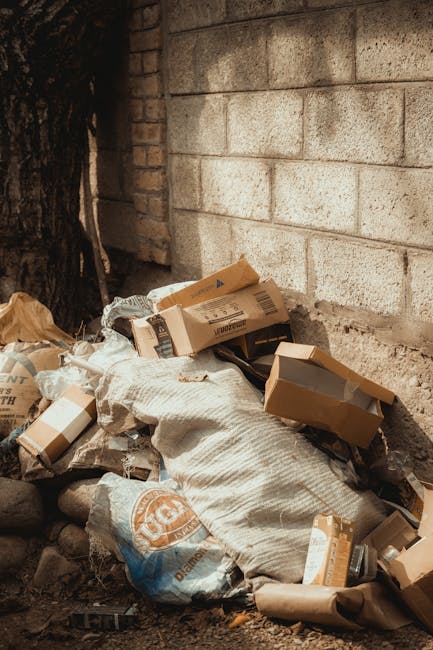
Bromley Council rubbish rules for Mottingham households: a practical guide for getting waste right
If you live in Mottingham, rubbish can feel simple right up until it isn't. One week it's a broken chair and a few bags of household waste; the next it's garden clippings, an old mattress, a fridge that no one wants to move, and the nagging question: what actually counts as proper disposal under Bromley Council rubbish rules for Mottingham households?
This guide breaks it down in plain English. We'll look at what the rules mean in everyday life, how they affect collections, skips, bulky waste, recycling, and common problem items, and what to do when you need a fast, tidy solution. If you want a more hands-on waste option while staying sensible about compliance, it can also help to review domestic skip hire, rubbish removal, or the company's guidance on what can go in a skip.
Let's face it, nobody wants an overflowing bin, a rejected collection, or a neighbour politely side-eyeing a pile of waste on the pavement. A bit of clarity saves time, money, and hassle.
Why Bromley Council rubbish rules for Mottingham households Matters
Rubbish rules matter because the wrong disposal route creates avoidable problems. That's the short version. In practice, it can mean missed collections, contamination of recycling, fly-tipping risks, unpleasant smells in warm weather, and extra effort when you're already busy. A front garden in summer can start to look and smell a bit rough very quickly, especially after a house clear-out or DIY job.
For Mottingham households, the rules also matter because local streets, driveways, and shared access points can be tight. If waste is left where it shouldn't be, or if a skip is used without the right planning, neighbours notice. Council rules are there to keep things orderly, safe, and fair for everyone using the same roads and collection systems.
There's another side to it too: waste rules help people sort what can be recycled, what must be kept separate, and what needs specialist handling. That's where a little knowledge goes a long way. For example, a load of mixed household rubbish is very different from renovation waste, and both are different again from items that need hazardous waste disposal.
Expert summary: If you understand the basic categories - general rubbish, recycling, bulky items, garden waste, and restricted materials - you avoid most of the common headaches people run into with local disposal rules.
How Bromley Council rubbish rules for Mottingham households Works
At a practical level, the system usually works around three ideas: what goes in your household bins, what should be recycled, and what needs a different collection or private disposal route. That sounds obvious, but in real life it gets messy fast. A cardboard box with food residue, a black sack with mixed waste, or a broken appliance can all change how the waste needs to be handled.
Most households are dealing with a blend of everyday waste and occasional larger items. Daily waste tends to be straightforward. Then life happens: you clear the loft, replace a sofa, trim the hedge, or renovate a bathroom. Suddenly you need something beyond normal bin day. That's when people look at options such as mattress and sofa disposal, fridge and appliance removal, or a broader house clearance.
The key point is that the council framework is not just about putting things out. It is about putting the right things out, in the right way, at the right time. If an item is too large, too heavy, potentially unsafe, or made from mixed materials, it may need a special service rather than the usual bin route.
You'll also notice that different waste streams behave differently. Garden waste compresses down. Cardboard is bulky but light. Soil and rubble are heavy, awkward, and not suitable for normal household waste systems. Confidential paperwork is a separate issue again, which is why some households use confidential shredding when they have sensitive documents to clear.
Key Benefits and Practical Advantages
Following the rules is not just about avoiding trouble. It makes life easier in very practical ways.
- Fewer rejected collections: If bins are contaminated or overloaded, collections can be missed or left behind.
- Cleaner kerbside presentation: Good waste handling keeps the front of the house tidy and manageable.
- Safer handling: Sharp, heavy, or unstable items are less likely to cause injury when sorted properly.
- Better recycling outcomes: Clean, separated materials are more likely to be recycled effectively.
- Less stress during clear-outs: When you know the right route, you don't waste time guessing.
There is also a financial angle, though it's often indirect. A bit of planning can prevent repeated trips to the tip, emergency call-outs, or paying for the wrong service. If you're comparing disposal methods, browsing skip sizes and prices and the guidance on skip hire can give you a feel for which option suits a small domestic tidy-up versus a bigger household project.
And if your waste is time-sensitive, say after a move or right before builders arrive, speed matters too. In those situations, many people look at same day skip hire or wait and load skip hire so the waste is dealt with in one clean visit rather than hanging around for days. Nice, simple, done.
Who This Is For and When It Makes Sense
This guidance is for anyone in Mottingham who wants to dispose of household waste properly without getting caught out by council expectations. That includes first-time homeowners, renters with limited bin space, families doing a seasonal clear-out, and people managing a property after a bereavement or move. In our experience, it's often the "just a few items" jobs that become the most confusing.
It also makes sense for households planning work that generates more waste than usual:
- Kitchen or bathroom updates
- Garden reshaping or hedge removal
- Loft, shed, or garage clear-outs
- End-of-tenancy clean-ups
- Furniture replacement
- Small building or repair work
If the project is more construction-heavy, the waste stream changes. Bricks, plasterboard, timber, tiles, and rubble should be treated differently from everyday rubbish. That's where service pages such as builders waste removal and construction waste disposal become more relevant than general household rubbish options.
There's a point where DIY disposal stops being sensible and starts being a faff. If you're standing in the kitchen at 8pm looking at a broken wardrobe, two bin bags, a rug, and a half-dismantled shelf, you probably already know what I mean.
Step-by-Step Guidance
Here is the simplest way to handle waste in line with Bromley Council rubbish rules for Mottingham households.
- Identify the waste type. Separate everyday rubbish, recycling, food waste, garden waste, bulky items, and anything potentially hazardous.
- Check whether it can go in your normal collection. If it's a standard household item in an approved bin, that is usually the easiest route.
- Remove obvious contamination. Empty boxes, rinse recyclable containers where appropriate, and keep food residue out of dry recycling.
- Keep restricted items aside. Batteries, chemicals, paint, gas cylinders, sharp glass, and similar materials need special care.
- Decide whether you need a bulky waste solution. Large furniture, mattresses, appliances, and mixed clear-out loads often need a separate service.
- Choose the right disposal method. For bigger domestic jobs, compare a skip, grab hire, man and van, or direct rubbish removal.
- Plan access. Think about driveway space, parking, neighbours, and whether a permit or alternative arrangement is needed.
- Load safely and sensibly. Don't overfill containers, and don't hide dangerous items under lighter waste.
- Keep paperwork or receipts. It's useful to know who collected what, especially if you are managing a property or a shared driveway.
For many households, a quick look at what can go in a skip removes a lot of uncertainty. It's the sort of page people wish they'd checked before chucking in "just one more thing" and then finding out it was the one thing they shouldn't have included. Happens all the time.
If you need to move waste without leaving it outside overnight, an enclosed option may be worth considering. Enclosed and lockable skip hire can be especially helpful where theft, weather, or neighbourhood tidiness is a concern.
Expert Tips for Better Results
The difference between a smooth waste job and a frustrating one is usually planning. A few small habits make a big difference.
- Sort first, load second. Once mixed, recyclable material is much harder to separate properly.
- Break down bulky waste. Flat-pack furniture, collapsed cardboard, and trimmed branches take up less room.
- Protect access paths. A few boards or a clear route can prevent scuffs, mud, and awkward carrying.
- Watch for hidden restricted items. Old drawers, toolboxes, and garden sheds can contain batteries, paint, or sharp metal.
- Match the service to the job. A small tidy-up may suit man and van, while a larger renovation may justify a skip or grab hire services.
A small but useful tip: if you are clearing a loft or garage, keep a "maybe" pile and a "definitely waste" pile. It slows you down for five minutes, sure, but it stops you throwing away something you'll need later. There's always one missing charger, one spare key, one thing you'd rather not lose.
Another practical thought: garden and household waste are often best dealt with separately. If you've got soil, branches, hedge trimmings, and old timber, then a dedicated garden waste removal service can be cleaner and more efficient than trying to force everything into one generic load.
Common Mistakes to Avoid
Most disposal problems come from the same handful of mistakes. Avoid these and you'll be ahead already.
- Overfilling bins or containers. If waste is piled beyond the safe limit, collection can be refused or made unsafe.
- Mixing restricted items with ordinary rubbish. This is the big one. It causes contamination and can create safety issues.
- Leaving waste on the pavement too early. That can create obstruction and unwanted attention from neighbours or enforcement teams.
- Assuming all bulky items are treated the same. A mattress, a freezer, and a bathroom suite are different problems.
- Ignoring access issues. If a vehicle cannot get near the property, the plan may need to change.
- Forgetting about permits or parking arrangements. This can quickly turn a simple job into a stressful one.
Another common one? Treating demolition waste like general household rubbish. That's where services such as demolition waste removal or site clearance can be much more appropriate. Not glamorous, but very practical.
Truth be told, many waste mistakes happen because people are in a rush. That's understandable. But waste has a way of becoming more expensive when rushed.
Tools, Resources and Recommendations
You do not need a complicated system to stay on top of household rubbish. A few simple tools are usually enough.
- Kitchen or utility room sorting bags for keeping recycling separate from general waste.
- A small labelled box or caddy for batteries, cables, and small electrical bits.
- Heavy-duty gloves for loft, garage, and garden clear-outs.
- A basic notebook or phone note to list items you want removed so nothing gets forgotten.
- Photos of bulky items if you are asking for a quote and want the most accurate advice.
For a broader service overview, the pages on recycling and sustainability and waste recycling services are useful starting points. They help frame waste not just as something to remove, but something to handle well.
If you are dealing with a more sensitive or workplace-related clear-out, you may also want to look at office clearance and confidential shredding. Different setting, same basic principle: separate the right materials and keep the risky stuff under control.
Law, Compliance, Standards, or Best Practice
When waste is involved, compliance is less about red tape and more about doing things safely and responsibly. In the UK, householders are generally expected to ensure their waste is disposed of properly and does not end up causing nuisance, obstruction, or environmental harm. That is the broad principle. The exact collection arrangements can vary, so if you are unsure about a specific item, treat caution as your default.
Best practice usually means:
- Keeping waste separated where possible
- Avoiding contamination in recycling
- Using approved routes for hazardous or specialist materials
- Making sure waste does not create a public safety issue
- Using a reputable waste carrier for larger clearances
For skip users, it's also wise to think about the practical side of access and placement. If a container must go on a public road, permit considerations may apply. That is where skip permits and skip hire permits become relevant, especially if driveway space is limited. The details matter, and it is one of those jobs where getting it right the first time saves a lot of bother later.
If your project involves heavier waste or mixed construction material, the safest rule of thumb is simple: do not guess. Match the waste stream to the right service. It's a small decision that protects you from bigger problems.
Options, Methods, or Comparison Table
Here is a straightforward comparison of the most common ways Mottingham households deal with rubbish beyond the usual bin collection.
| Method | Best for | Strengths | Watch-outs |
|---|---|---|---|
| Normal council bin collection | Everyday household waste and routine recycling | Convenient, familiar, low effort | Limited capacity; unsuitable for bulky or restricted items |
| Bulky waste or special collection | One-off large household items | Good for furniture and appliances | Must be booked and items prepared correctly |
| Skip hire | House clear-outs, refurb work, mixed bulky loads | Flexible, practical, handles volume well | Access, permit, and fill-limit considerations |
| Wait and load | Quick clearance where space is tight | Fast, tidy, no skip left behind | Requires the waste to be ready when the vehicle arrives |
| Grab hire | Heavier or loose waste, especially where loading is awkward | Efficient for mixed heavy material | Needs suitable access for the vehicle |
| Man and van | Small to medium clearances, furniture, mixed household items | Flexible and hands-on | Less suitable for very large volumes |
If you're not sure which option fits, start with the job itself rather than the waste. A small garage clear-out, for instance, might suit garage and loft clearance. A family home after renovations may need a skip. A one-day loading job might be perfect for wait and load skip hire. That's the sensible way to think about it.
Case Study or Real-World Example
Here's a realistic example. Imagine a Mottingham household has spent a wet Saturday tackling the loft. By mid-afternoon, they have old boxes, broken toys, a tired armchair, half a set of laminate offcuts, and a few bags of general rubbish. The driveway is narrow, and the front path is shared. Nobody wants waste sitting out overnight.
In that situation, a standard bin collection would not solve the problem. The family could split the waste into separate loads, but that means time, lifts, and several trips. A better route might be a small domestic skip or a same-day collection with a quick turnaround. If the bulky items include a sofa and an old appliance, the load may be better handled through dedicated mattress and sofa disposal and fridge and appliance removal rather than trying to squeeze everything into one vague pile.
What usually makes the biggest difference? Planning the pile before collection day. Keep access clear, separate anything questionable, and place the waste where loading is easy. It sounds small, but in a real driveway with bins, bikes, and a parked car, it changes everything.
That kind of job is exactly where a tidy, well-chosen service protects the household from unnecessary stress. And honestly, when the rain starts and the wind picks up, everyone appreciates a quick finish.
Practical Checklist
Use this checklist before putting out waste, booking collection, or arranging a skip.
- Have I separated general waste, recycling, and bulky items?
- Have I checked for batteries, chemicals, paint, or other restricted materials?
- Do I know whether the item can go in a normal bin, a special collection, or a skip?
- Is the load too big, too heavy, or too awkward for a standard collection?
- Do I need access planning for a driveway, path, or roadside placement?
- Have I considered whether I need a permit or an alternative to roadside placement?
- Is my waste packed safely, without sharp items sticking out?
- Have I chosen the right service for the type of waste?
- Am I using a reputable provider with clear terms and a sensible collection process?
- Have I kept the area tidy for neighbours and passers-by?
A little checklist like this takes two minutes and can save you a proper headache. Simple stuff, but it works.
Get a free quote today and see how much you can save.
Conclusion
Bromley Council rubbish rules for Mottingham households are really about two things: keeping waste under control and choosing the right route for the job. Once you understand the basics, most decisions get easier. Everyday rubbish stays routine, recyclables stay clean, bulky items get handled properly, and anything restricted or heavy gets the specialist treatment it needs.
That is the heart of it. No drama, no guesswork, no half-finished piles on the front path. Just a cleaner, safer, more practical way to deal with household waste in Mottingham.
If you are planning a clear-out, renovation, or garden refresh, take a calm look at the waste first and pick the method that fits the material, the access, and the timing. It makes the whole job feel lighter. And to be fair, that's usually what people want most.
Careful waste handling may not be the most exciting part of home life, but it is one of those small things that makes a home feel properly in order.
Frequently Asked Questions
What are the main Bromley Council rubbish rules for Mottingham households?
In simple terms, households should separate general rubbish, recycling, and any special waste, then use the correct collection or disposal route. The main aim is to keep waste safe, tidy, and uncontaminated.
Can I put bulky items out with my normal rubbish?
Usually not. Large items such as sofas, mattresses, fridges, or wardrobes often need a separate bulky waste or removal service. If you are unsure, treat them as special items rather than regular bin waste.
What should I do with old appliances in Mottingham?
Appliances often need dedicated removal because of size, weight, and material content. Fridges, freezers, and washing machines are commonly handled through specialist collection rather than ordinary household bins.
Do I need a skip permit for my house in Mottingham?
If the skip is going on private land, such as your driveway, you may not need one. If it has to sit on a public road or pavement area, permit rules may apply. It is always worth checking before booking.
What happens if I mix rubbish and recycling together?
Mixed loads can cause contamination, which may mean the recycling is not accepted. It also makes sorting harder and can increase the chance of collections being rejected.
Is garden waste treated differently from household rubbish?
Yes, often it is. Garden waste can include grass cuttings, branches, hedge trimmings, soil, and turf, and these materials are usually best dealt with separately from general household waste.
What is the best option for a loft or garage clear-out?
That depends on the volume and type of waste. For a small clear-out, man and van or rubbish removal may be enough. For larger or mixed loads, a domestic skip or clearance service is often more efficient.
Can I put paint, chemicals, or batteries in a skip?
No, those items are normally treated as restricted or hazardous waste and need careful handling. Do not guess with these materials; they should be separated and dealt with through the proper route.
How do I avoid overfilling a skip?
Choose the right size, break items down first, and load flat items carefully. Do not pile waste above the top edge unless the provider says otherwise. Overfilling can create safety and transport issues.
What if I need waste removed quickly?
If the job is urgent, same-day skip hire or wait and load can be useful, provided your waste is ready to go. For small-to-medium clearances, man and van or direct rubbish removal may be the quicker fit.
Are there special rules for confidential paperwork?
Yes. Paper with personal or business information should not be treated like general rubbish. Many households and small offices prefer confidential shredding so sensitive information is handled properly.
How can I tell whether I need skip hire or rubbish removal?
If the waste volume is large, bulky, or coming from a bigger project, skip hire can be more practical. If you want someone to collect and remove items quickly without leaving a skip on site, rubbish removal or man and van may be better.
Where should I start if I am not sure what I can throw away?
Start by sorting your items into clear groups: everyday waste, recycling, bulky household items, garden waste, and anything potentially hazardous. Then match each group to the right disposal method. That one step usually clears the confusion fast.